


Companion Care vs Personal Care for Seniors at Home
Choosing support for an aging parent or loved one can feel personal, emotional, and a little overwhelming. Many families start with one simple question: “They need help at home, but what kind of help?”
Companion care and personal care are both forms of nonmedical in-home support. Both can help an older adult stay safer, more comfortable, and more connected in the place they know best. The difference is that companion care focuses on social support, light household help, and daily routine, while personal care includes hands-on help with bathing, dressing, toileting, mobility, and other personal needs.
Understanding that difference can make the next step clearer, especially for families in Haymarket, VA and across Northern Virginia who are comparing senior care options for the first time.

What companion care provides
Companion care is built around connection, routine, and everyday support. It is often a good fit for older adults who are mostly independent with personal tasks but need help staying engaged, organized, and safe during the day.
For many seniors, the biggest challenge is not one major task. It is the slow build-up of small daily needs. Meals become harder to plan. Driving may no longer feel safe. A spouse or close friend may have passed away. Family members may visit often but cannot be there every day.
That is where companion care can help.
A companion caregiver may support an older adult with:
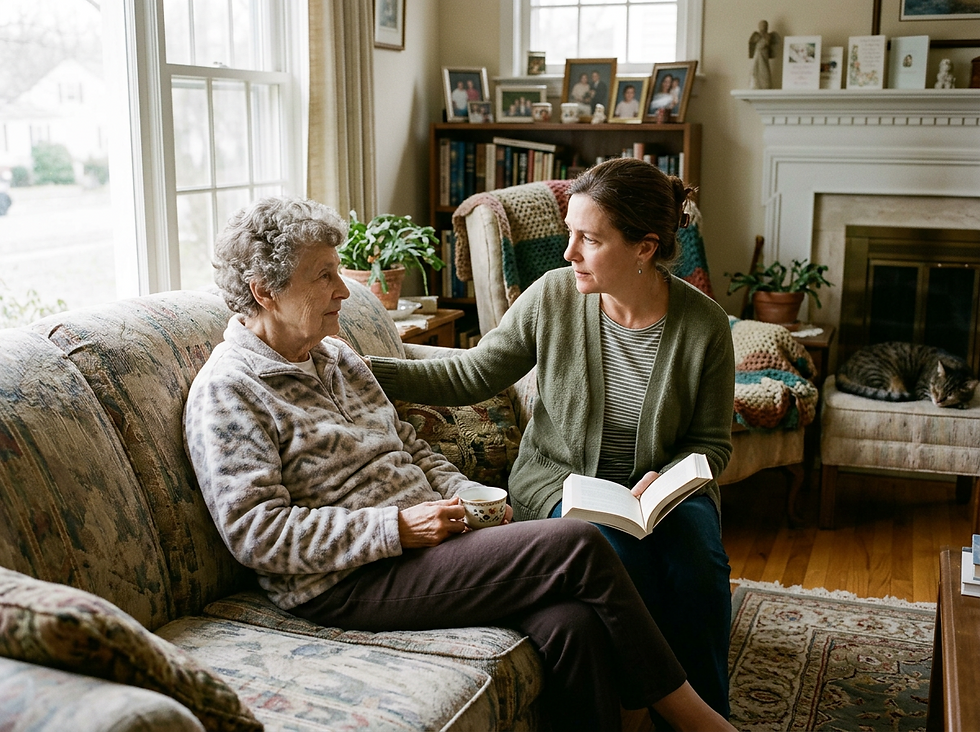
Friendly conversation and emotional support
Playing cards, puzzles, reading, music, or favorite hobbies
Light housekeeping such as tidying common areas
Meal planning and simple meal preparation
Grocery shopping and errands
Transportation to appointments, activities, or family visits
Medication reminders, without administering medication
Encouragement to walk, stretch, or follow a normal routine
Help staying socially connected with family and friends
Observation of changes in mood, appetite, or daily habits
Companion care can be especially meaningful for older adults who live alone. A regular caregiver visit can bring structure to the day and reduce feelings of isolation.
For example, an older adult in Haymarket may still dress, bathe, and move around the home without hands-on help. Yet they may forget meals, avoid going out, or spend long stretches of the day alone. In that situation, companion care in Haymarket VA may provide the right level of support without adding services the person does not need.
Companion care also gives families peace of mind. A trained caregiver can notice small changes, such as unopened mail, less food in the refrigerator, a change in hygiene, or signs that a loved one seems withdrawn. These observations can help families respond before a concern becomes urgent.
What personal care provides
Personal care includes the social and household support of companion care, but it goes a step further. It provides hands-on help with activities of daily living, often called ADLs.
These are the personal tasks that allow someone to get through the day with comfort and dignity.
Personal care may include help with:
Bathing, showering, and sponge bathing
Dressing and choosing appropriate clothing
Grooming, oral care, shaving, and hair care
Toileting and incontinence support
Transferring from a bed to a chair
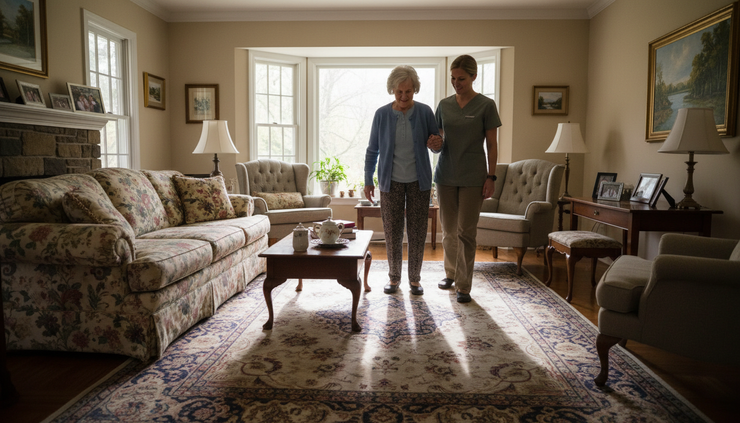
Walking safely from room to room
Repositioning for comfort
Meal setup and eating support
Skin care reminders and hygiene routines
Safety support for fall prevention
Personal care is still nonmedical care. It does not replace skilled nursing, physical therapy, wound care, or medical treatment. Instead, it supports day-to-day living when an older adult needs physical assistance to remain at home.
For many families, the need for personal care appears slowly. A parent may start wearing the same clothes several days in a row. They may avoid bathing because they fear slipping. They may stop cooking because standing at the stove feels tiring. They may seem unsteady getting up from a favorite chair.
These changes are not always easy to talk about. Bathing, toileting, and dressing are deeply personal. A compassionate caregiver can help protect a loved one’s privacy and dignity while also keeping them safer.
Families looking for personal care services in Northern Virginia often want support that feels respectful, steady, and familiar. The goal is not to take over someone’s life. The goal is to help them keep as much independence as possible while receiving the right amount of help.
The key differences between companion care and personal care
When comparing companion care vs personal care, the main question is whether the older adult needs hands-on physical assistance.
If the answer is no, companion care may be enough. If the answer is yes, personal care is usually the better fit.
Companion care | Personal care |
Focuses on social connection, supervision, routine, and light household support | Includes hands-on help with personal tasks and mobility |
Best for seniors who are mostly independent with bathing, dressing, toileting, and walking | Best for seniors who need help with bathing, dressing, toileting, transferring, or safe movement |
May include meal preparation, errands, transportation, hobbies, and reminders | May include all companion care tasks, plus physical assistance with daily living |
Often helps reduce loneliness and support independence | Often helps reduce fall risk, hygiene concerns, and caregiver strain |
Nonmedical support | Nonmedical support |
A simple way to think about it is this:
Companion care helps a loved one manage the day. Personal care helps a loved one physically move through the day.
That distinction matters because choosing too little care can leave safety gaps. Choosing too much care can feel intrusive to an older adult who still values independence. The right plan should match the person’s current needs while leaving room for change.

Signs companion care may be the right choice
Companion care may be a good starting point when an older adult can still manage personal care but needs more daily support.
Common signs include:
They seem lonely, withdrawn, or less interested in activities
They no longer drive or avoid leaving the house
Meals are skipped or nutrition has become inconsistent
Mail, laundry, or light chores are piling up
Family members worry about long hours spent alone
They forget appointments or lose track of routines
They need transportation but not physical assistance
They would benefit from conversation, games, walks, or hobbies
Companion care can also help after a major life change. This may include the loss of a spouse, a move to a new home, or a change in driving ability. Even when an older adult is physically capable, those transitions can make daily life feel smaller.
In these cases, a caregiver can bring warmth and rhythm back into the week. That might look like a morning visit to prepare breakfast, a walk around the neighborhood, a drive to a local appointment, or time spent sorting family photos.
The support may seem simple, but simple support often makes home feel manageable again.
Signs personal care may be the better fit
Personal care becomes more appropriate when safety, hygiene, or mobility concerns are present.
Families may notice:
Bathing is happening less often because it feels unsafe or tiring
Clothing is unchanged, mismatched, or not appropriate for the weather
There are signs of toileting accidents or unmanaged incontinence
The person has trouble getting in and out of bed or chairs
They hold onto furniture while walking through the home
There have been falls, near falls, or growing fear of falling
Grooming, oral care, or shaving has declined
A family caregiver is providing hands-on help and feels exhausted
A doctor or discharge planner has raised concerns about safety at home
Personal care can be especially helpful after a hospital stay, illness, or decline in strength. It may also support people living with memory changes, arthritis, balance problems, vision loss, or general frailty.
This type of care should feel calm and respectful. A good caregiver explains what they are doing, moves at the person’s pace, and preserves privacy whenever possible.
Families sometimes wait to arrange personal care because the conversations feel uncomfortable. Yet earlier support can prevent stress from building at home. It can also protect the relationship between an adult child and parent. When a trained caregiver handles sensitive daily tasks, family time can feel more like family time again.
Many seniors benefit from both types of care
The choice is not always either companion care or personal care. Many care plans include both.
An older adult may need help bathing in the morning, then enjoy companionship, lunch preparation, and a ride to an afternoon appointment. Another person may start with companion care and later add personal care as needs change.
This flexible approach is common with in-home care for seniors because aging does not follow a fixed schedule. Some weeks are steady. Other weeks bring new concerns. A care plan should adapt when routines, strength, memory, or family availability changes.
Here are a few examples of how support may look at home:
Situation | Helpful care approach |
A loved one lives alone and feels isolated but manages personal care independently | Companion care for social support, meals, errands, and routine |
A parent is afraid to shower after a near fall | Personal care for bathing assistance and safety support |
A spouse provides all hands-on care and is becoming tired | Personal care to share physical tasks and reduce strain |
A senior needs rides, meals, reminders, and occasional help dressing | A blended plan with companion care and personal care |
A loved one is coming home after a hospital stay | Personal care at first, with companion support as strength improves |
Care needs can also vary by time of day. Mornings may require personal care because bathing, dressing, and transferring are involved. Afternoons may call for lighter companion support, such as lunch, laundry, a walk, or conversation.
How to choose the right level of care
A thoughtful decision starts with an honest look at daily life. Families do not need to have every answer before asking about services. It helps to write down what is working, what feels stressful, and what has changed.
Consider these questions:
Can the older adult bathe safely without help?
Are they dressing in clean, weather-appropriate clothing?
Can they use the toilet and manage hygiene independently?
Do they move safely around the home?
Are meals being prepared and eaten regularly?
Are medications being taken as directed, with reminders if needed?
Is the home reasonably clean and safe to move through?
Do they have regular social contact?
Are family caregivers feeling rested enough to continue helping?
Have there been falls, hospital visits, or sudden changes?
If most concerns are social, practical, or routine-based, companion care may be the right first step. If the concerns involve bathing, toileting, dressing, transferring, or walking, personal care should be part of the conversation.
The older adult’s feelings matter too. Some people welcome help quickly. Others feel nervous about having someone new in the home. A gradual schedule can help build trust. For example, a caregiver might begin with short companion visits and later add more personal support as comfort grows.
It also helps to involve the older adult in choices whenever possible. Ask what part of the day feels hardest. Ask which tasks they would like to keep doing independently. Ask what kind of support would feel helpful rather than disruptive.
Care works best when it respects both safety and personal preference.
What families should look for in a home care provider
Once the level of care is clearer, the next step is choosing a provider. The right agency should make the process feel less confusing, not more.
Families may want to ask:
How do you assess whether someone needs companion care, personal care, or both?
How do you match caregivers with clients?
What training do caregivers receive for personal care tasks?
How do you handle changes in care needs?
Can schedules be adjusted as family needs change?
How do caregivers communicate observations or concerns?
What steps do you take to protect dignity and privacy?
How do you support families who are new to home care?
A strong provider will listen before recommending a plan. They will ask about routines, safety, personality, family involvement, medical conditions, and what matters most to the older adult.
For families in Haymarket and throughout Northern Virginia, local understanding can also help. Traffic patterns, appointment locations, nearby family schedules, and community routines all affect care. A realistic plan should fit the way life actually works at home.
New Era Homecare and Training focuses on supportive, respectful care that helps older adults remain at home with dignity. That includes understanding the difference between companionship, hands-on personal care, and the many situations where both types of support work together.
A thoughtful care plan can protect dignity and independence
The differences between companion care and personal care are practical, but the decision is deeply human. Families are often trying to honor a loved one’s independence while also facing real concerns about safety, loneliness, hygiene, or caregiver burnout.
Companion care may be the right fit when a loved one needs connection, meals, errands, transportation, and routine support. Personal care may be needed when bathing, dressing, toileting, mobility, or transferring have become difficult or unsafe.
The best care plan does more than complete a list of tasks. It helps an older adult feel seen, respected, and supported in the place they call home. For many families, that is the real goal: steady help, a safer routine, and more peace of mind for everyone involved.


Comments