


CPR Certification Class What It Covers and How Long It Takes
A sudden emergency does not wait for the right person to be nearby. CPR training helps everyday people respond with more confidence when someone stops breathing, collapses, or starts choking.
For caregivers, parents, childcare workers, healthcare students, home health workers, teachers, coaches, and fitness instructors, CPR is more than a helpful skill. It is often part of the role.

CPR certification is valuable because emergencies can happen at home, at work, at school, in a gym, or in a childcare setting. A CPR certification class gives students a clear process to follow when seconds matter.
The goal is not to turn every student into a medical professional. The goal is to teach practical response skills that can help support someone until emergency medical services arrive.
For many people, CPR training also meets a job, school, volunteer, or caregiver certification requirement. Healthcare students may need it before clinical training. Childcare providers may need it for licensing or workplace rules. Parents and grandparents often take it for peace of mind.
New Era Homecare and Training supports learners in the Haymarket, VA area who want clear, practical healthcare training without confusion or pressure.
What Does a CPR Certification Class Actually Cover?
A CPR certification class usually focuses on the core skills needed to respond to common emergencies. The exact class content may vary by course type, but most CPR classes cover the same main areas.
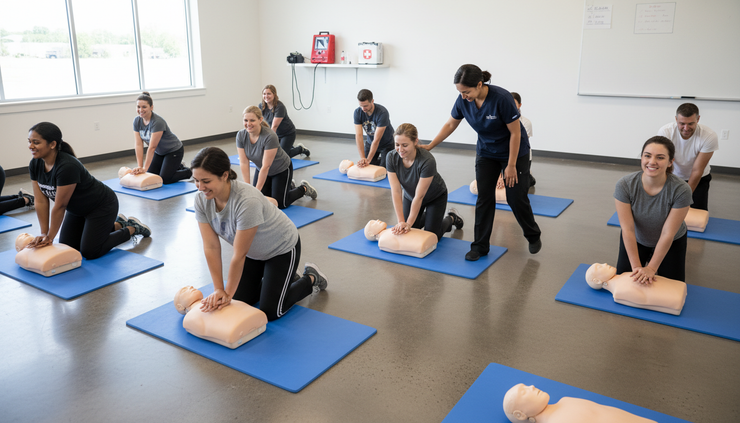
Students should expect instruction, demonstration, guided practice, and a skills check. The class is designed to be practical. That means students do not just listen. They practice.
Adult, child, and infant CPR
CPR techniques change based on the age and size of the person who needs help. A class often explains how to respond to:
Adults
Children
Infants
Students learn how to recognize when CPR may be needed, how to call for help, and how to begin chest compressions. The class may also explain rescue breaths, compression depth, hand placement, and how to reduce pauses during CPR.
Infant CPR is different from adult CPR. Child CPR also has its own considerations. That is why hands-on practice matters. Reading about CPR is helpful, but practicing the steps helps build muscle memory.
AED use
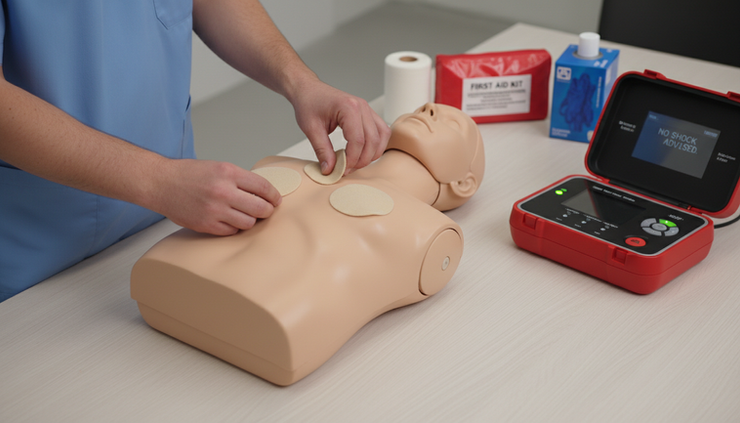
AED training teaches students how to use an automated external defibrillator. AEDs are often found in schools, gyms, airports, workplaces, community centers, and medical settings.
A class may cover how to:
Turn on the AED
Follow voice or screen prompts
Place AED pads correctly
Stay clear during analysis and shock delivery
Continue CPR when instructed
AEDs are made to guide users through the process. Still, training can make the device feel less intimidating. A student who has handled a trainer AED in class may feel more prepared if a real emergency happens.
Choking response
Choking can happen during meals, snack time, sports events, or at home. A CPR class often teaches students how to recognize severe choking and respond quickly.
Training may include how to help:
A responsive adult or child who is choking
An infant who is choking
A person who becomes unresponsive
This is especially useful for parents, childcare workers, caregivers, teachers, and coaches. Choking emergencies can escalate fast, and clear training helps reduce hesitation.
Basic first aid
Many CPR courses include first aid certification or offer it as a combined option. Basic first aid helps students respond to injuries and sudden illness before professional care arrives.
Topics may include:
Bleeding control
Burns
Falls and injuries
Allergic reactions
Fainting
Heat-related illness
Basic wound care
First aid does not replace medical care. It helps bridge the gap between the emergency and the arrival of trained responders.
Hands-on skills check
A skills check gives students a chance to show what they learned. This may include CPR compressions on a manikin, AED trainer use, or other skills covered in class.
The hands-on part is one of the most valuable pieces of CPR training. It helps students practice body position, compression rhythm, and step-by-step response.
It also gives the instructor a chance to correct technique in real time.
CPR is easier to understand when students can see it, practice it, and ask questions in a supportive class setting.
How Long Does a CPR Certification Class Take?
Most CPR classes take a few hours. Many can be completed in one session. The length can vary based on the course format, class size, topics included, and whether first aid is part of the training.
A CPR-only class may be shorter than a class that includes CPR, AED, and first aid. A class with infant CPR, choking response, and more hands-on practice may also take longer.
For most students, the time commitment is manageable. It is often scheduled in a way that works around school, work, caregiving, or family responsibilities.
Common class options
Training providers may offer different formats. Availability can vary, but common options include:
Single-session classes Many students prefer to complete the training in one visit.
Evening or weekend sessions These can help working adults, parents, and students fit training into a full schedule.
Workplace or group sessions Some employers, care agencies, schools, or teams arrange training for staff or groups.
CPR bundled with healthcare training CPR may be offered as part of broader healthcare training, including programs connected to CNA Training, Personal Care Aide Training, or CMA preparation.
Students who need CPR for a job or school program should check what type of certification is required before registering. Some roles require a specific course level or provider type. New Era can help students understand what training options are available, but students should confirm requirements with their employer, school, or licensing body.
What affects class length?
A few things can change how long a class takes.
Course scope matters. CPR-only training may take less time than CPR with AED and first aid.
Class size matters. Smaller groups may move faster. Larger groups may need more time for skills practice and instructor feedback.
Hands-on practice matters. A class that includes more manikin practice and real-time coaching may take longer, but the extra practice can help students feel more prepared.
Student requirements matter. Healthcare students, childcare workers, or employees may need a course that meets specific workplace or program guidelines.
If scheduling is the main concern, the best next step is to check the Class Schedule or contact the training team for current options.
Who Actually Needs a CPR Certification Class?
CPR is useful for anyone, but some people have a stronger need because they care for others, work with the public, or train for healthcare roles.
A CPR class Haymarket VA residents can attend locally may be a good fit for people who want practical training close to home.
Caregivers and home health workers
Caregivers often support older adults, people with disabilities, or clients with health concerns. Emergencies can happen during meals, bathing, transfers, exercise, or routine care.
CPR and first aid training can help caregivers respond more calmly while waiting for emergency medical services. It may also support employment requirements in home care or healthcare settings.
Parents and grandparents
Parents and grandparents often take CPR because they want to protect children at home, during play, or while eating. Infant CPR and choking response are especially helpful for families with babies and young children.
Even when certification is not required, the training can bring peace of mind.
Childcare providers
Childcare workers often need CPR and first aid training because they supervise infants, toddlers, and children. A class may help meet workplace, licensing, or safety expectations, depending on the setting.
Childcare providers should confirm the exact training requirements for their role or facility before choosing a class.
Teachers and school staff
Teachers, aides, bus staff, and school employees may be present when a student has a medical emergency, injury, or choking incident.
A CPR class gives school staff a clear process to follow. It can also help them work better with school nurses, administrators, and emergency responders.
Coaches and fitness instructors
Sports and fitness settings include physical activity, heat, exertion, and crowds. Coaches and fitness instructors may be the first to notice when someone collapses, struggles to breathe, or shows signs of distress.
CPR and AED training are especially relevant in gyms, studios, pools, recreation centers, and athletic programs.
Healthcare students
Students entering healthcare programs often need CPR before clinical work or patient care training. This may include students preparing for CNA, PCA, CMA, nursing, medical assistant, or other healthcare roles.
CPR is one part of building readiness for patient care. It pairs well with broader healthcare training that teaches safety, communication, infection control, and basic care skills.
Anyone who wants to be prepared
Some students take CPR for work. Others take it because they do not want to feel helpless in an emergency.
Both are valid reasons.
A class can help a person move from “I hope someone else knows what to do” to “I know the first steps to take.”
How to Get Started
Getting started is simple. The best first step is to choose the class that fits the need.
If CPR, AED, and first aid are needed for work, school, childcare, coaching, or caregiving, visit the CPR, AED & First Aid Training page. That page can help explain current training options and what students can expect.
If the main question is timing, check the Class Schedule. Schedule details may change, so use the schedule page for current availability rather than relying on general estimates.
Before registering, it helps to know:
Whether the class is for work, school, volunteering, or personal knowledge
Whether first aid is required along with CPR
Whether adult, child, and infant CPR are needed
Whether a specific certification type is required by an employer or program
Whether a group or workplace class may be a better fit
New Era Homecare and Training offers healthcare training for people building skills for caregiving, home health, and entry-level healthcare roles. CPR can also connect with other training paths, including CNA, Personal Care Aide, and CMA-related preparation.
What to expect on class day
A CPR class is usually direct and practical. Students can expect a mix of instruction and practice.
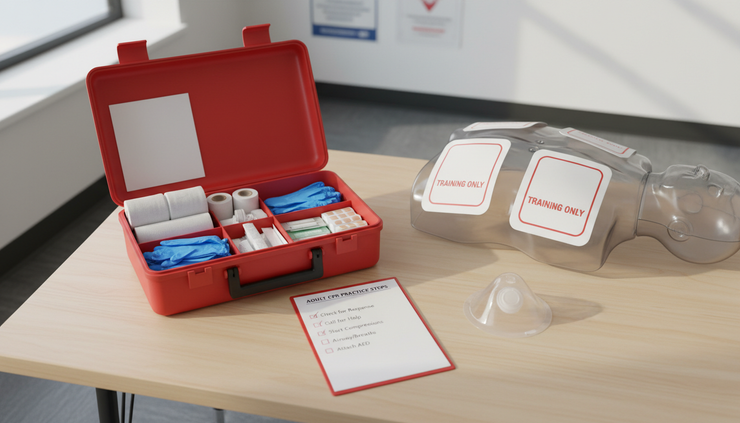
The instructor may explain the steps first, then demonstrate them. Students then practice on manikins and may use AED trainers or first aid supplies. Questions are usually welcome, especially when a student is unsure about hand placement, compression pace, or what to do first in a real emergency.
Wear comfortable clothing if the class includes floor practice. CPR practice may involve kneeling, leaning over a manikin, and repeating compressions several times.
It also helps to arrive ready to participate. The class is hands-on for a reason. Practice builds confidence.
Choose training that fits the real world
CPR is a simple idea, but it takes practice to do it well under pressure. A good class explains the steps, gives students time to practice, and helps them understand how CPR, AED use, choking response, and first aid fit together.
For caregivers, parents, childcare workers, healthcare students, teachers, coaches, fitness instructors, and home health workers, CPR training is a practical investment in readiness.
To find a class that fits your schedule, start here:


Comments